

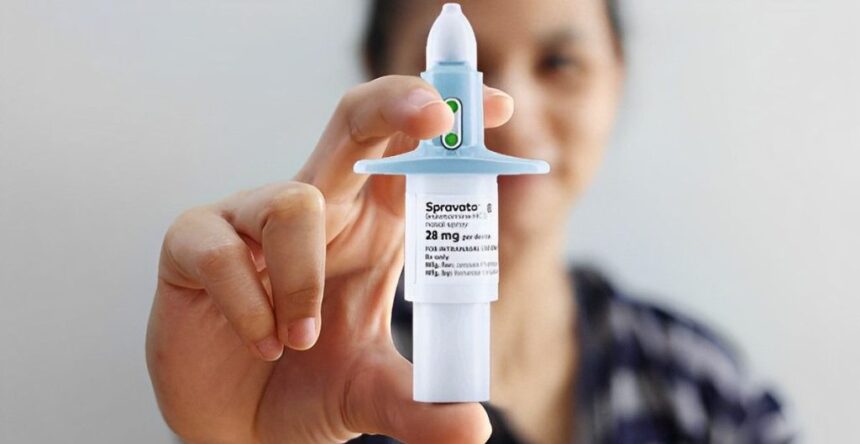
Major depressive disorder (MDD) affects many people, and while treatments are available, they are not always effective for everyone. When standard treatments do not provide relief, it may indicate a condition known as treatment-resistant depression (TRD). Understanding this condition is the first step toward finding a more effective management plan. Here is more information on what TRD is, its causes and symptoms, and how specific treatments, such as Spravato, are designed to help:
What Is Treatment-resistant Depression?
Treatment-resistant depression is a form of major depressive disorder that does not respond adequately to at least two different antidepressant treatments. The lack of response means that symptoms persist despite these efforts, so a different approach may be necessary. Individuals with TRD continue to experience depressive symptoms that interfere with their daily lives. The ongoing nature of the condition can be challenging, but specialized treatments, such as Spravato, are available for this specific situation.
What Causes It?
The specific causes of treatment-resistant depression are not fully understood, and they vary from person to person. A combination of genetic, biological, and environmental factors may contribute to the development of this condition. For some, a genetic predisposition makes them more likely to develop depression that is harder to treat.
Metabolic factors may also play a role, as some individuals process medications differently. This affects how well antidepressants work, so what is effective for one person may not be for another. A thorough medical evaluation will help identify any underlying issues that contribute to the lack of treatment response.
What Are the Symptoms?
The symptoms of treatment-resistant depression are consistent with those of major depressive disorder, but they persist despite treatment. These symptoms include a lasting low mood, a loss of interest in activities, and significant changes in sleep or appetite. People with TRD often feel persistent sadness and hopelessness.
Other common symptoms are fatigue, difficulty concentrating, and feelings of worthlessness. These symptoms can impact work, relationships, and overall quality of life, and their persistence is a key indicator of TRD. Accurately identifying these signs is integral to obtaining an accurate diagnosis and receiving appropriate treatment.
What Is Spravato?
Spravato is a prescription nasal spray medication approved for use in adults with treatment-resistant depression. Its active ingredient is esketamine, which works differently from traditional antidepressants, and it offers a new mechanism of action for those who have not found relief. Spravato is administered in a certified healthcare setting, and a healthcare provider monitors patients. This treatment is specifically designed for patients who have tried other medications without success.
How Can It Help?
Spravato works on the NMDA receptor pathway in the brain, which is different from the pathways targeted by most oral antidepressants. This alternative action can help restore synaptic connections between brain cells, potentially leading to improved quality of life. Patients may experience relief from their symptoms, enabling them to engage more fully with daily activities. This treatment offers an additional option for managing a complex condition.
Explore Your Treatment Options Now
If you have been struggling with depression despite trying multiple treatments, it may be time to seek a specialized evaluation. A thorough assessment can determine if you have TRD and whether a treatment like Spravato may be right for you. Contact a healthcare professional to learn more about your options and create a personalized treatment plan.