

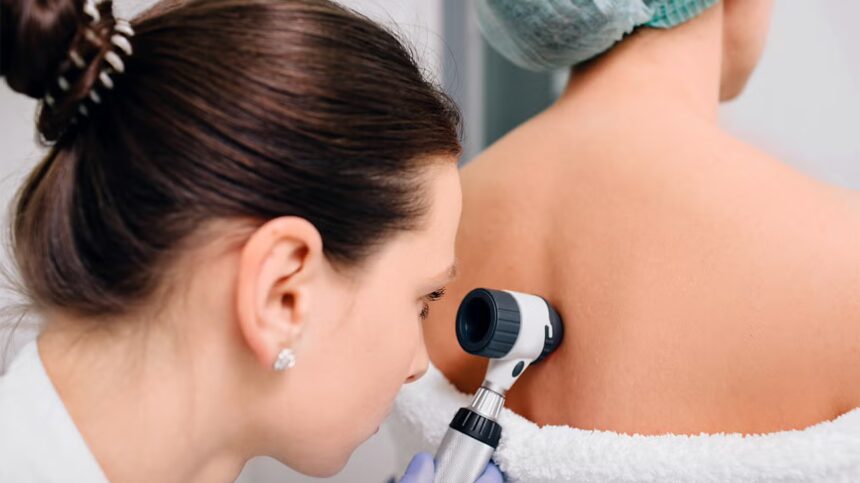
Your skin serves as your body’s primary barrier against the external environment, protecting internal organs from pathogens, UV radiation, and physical injury. Due to its exposure and complex biological functions, your skin can develop a wide variety of conditions ranging from acute irritations to chronic autoimmune disorders. Dermatology is the medical specialty dedicated to diagnosing and managing these issues, helping to maintain your skin health and function. Some conditions are merely cosmetic concerns, and others can indicate underlying systemic health issues that require professional intervention.
Inflammatory & Autoimmune Conditions in Dermatology
Inflammation is a common immune response within your skin, often resulting in redness, swelling, and discomfort. Autoimmune conditions occur when your body’s immune system mistakenly attacks healthy skin cells, causing chronic symptoms that may fluctuate in severity. A dermatology consultation can help in identifying these disorders early and assisting with symptom management.
Eczema & Dermatitis
Eczema is a chronic condition that causes your skin to become itchy, dry, and cracked. It is frequently seen in children but can last into adulthood. The condition disrupts your skin barrier function, making your skin more sensitive to irritants and allergens. Contact dermatitis is an inflammatory condition triggered by direct contact with a substance, such as certain soaps or plants. Treatment strategies focus on restoring your skin barrier through moisturizers and reducing inflammation.
Psoriasis
Psoriasis is an autoimmune disease that causes raised red scaly patches to appear on your skin. It accelerates the life cycle of skin cells, causing them to build up rapidly on the surface rather than shedding normally. The extra skin cells form scales and red patches that are often itchy and sometimes painful. While several types of psoriasis exist, plaque psoriasis is the most common form. Management typically involves topical treatments and systemic medications designed to help your immune response.
Common Pigmentation Changes & Growths
Changes in skin color and the development of new growths are frequent reasons patients seek dermatology care, and these changes can result from sun exposure, aging, genetics, or hormonal fluctuations. Dermatologists evaluate these changes to determine if they are harmless or require removal.
Dermatologists typically find common growths such as skin tags and moles during skin examinations. While often harmless, they can be removed if they become irritated. Treating these pigmentation issues and growths offers several benefits:
- Improved skin texture and tone uniformity
- Reduced appearance of age spots and sun damage
- Early identification of potentially concerning lesions
- Physical relief from irritation caused by friction on growths
- Clarified differentiation between harmless spots and concerning changes
Skin Cancers
Although skin cancer most often develops on areas exposed to the sun, it involves the abnormal growth of skin cells and can occur on regions not ordinarily exposed to sunlight. The three major types of skin cancer are basal cell carcinoma, squamous cell carcinoma, and melanoma. Basal cell carcinoma and squamous cell carcinoma are the most common forms and are highly treatable when detected early. Melanoma is less common but more serious, with a higher tendency to spread to other parts of the body. Regular skin screenings allow dermatologists to identify concerning lesions early, significantly improving outcomes for patients.
Find a Dermatology Office Today
Regular examinations will help maintain your skin health and catch potential issues before they progress, and a board-certified dermatologist can provide accurate diagnoses and tailored treatment plans. If you notice persistent irritation, changing moles, or new growths, professional evaluation is the most effective step toward resolution. Schedule an appointment to discuss your specific skin concerns and establish a proactive approach to your dermatological health.